
TMJ Treatment Raleigh
Effective Relief from Jaw Pain & Related Symptoms
Do you struggle with frequent jaw pain, headaches, or difficulty chewing? These symptoms are commonly associated with TMJ disorder (TMD). This condition can hugely impact your quality of life! The good news is that our Raleigh team offers effective TMJ treatment options, including custom occlusal splints and equilibration. Continue reading below to learn more, or contact us today to set up your consultation. We look forward to helping you find lasting relief from jaw pain!
Why Choose Lake Boone Dentistry for TMJ Treatment?
- Patients of All Ages Welcome
- Effective, Non-Invasive Treatment Options
- Experienced & Compassionate Dental Team
What Is TMJ Disorder?
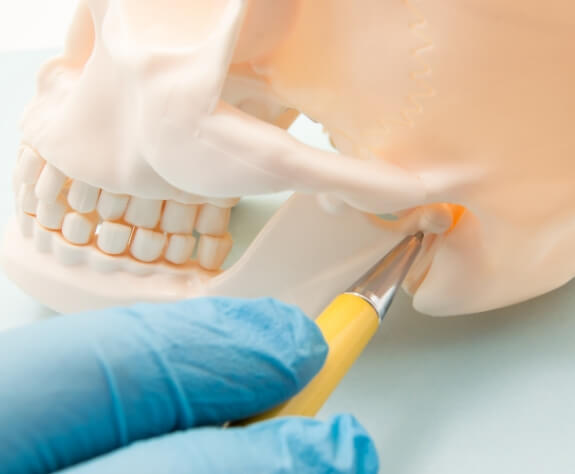
TMD, also known as temporomandibular joint dysfunction or temporomandibular joint disorder, is a condition that impacts the joints that connect your jaw to your skull. When these joints and the muscles that surround them carry too much stress or become damaged, it can result in jaw pain or tenderness along with a slew of other symptoms.
TMD can have a range of causes, including stress, arthritis, injuries, a misaligned bite, and more. This condition can affect people of all ages, and it can cause ongoing pain if it does not receive timely and effective treatment.
Symptoms of TMJ Disorder

Jaw pain and tenderness are just the beginning of the symptoms that can be caused by TMJ disorder. Additional signs of this condition include:
- Limited jaw mobility
- Difficulty chewing
- Headaches or migraine attacks
- Popping and clicking noises when opening and closing the mouth
- Ringing in the ears
- Pain in the neck, back, and shoulders
- Pain behind the eyes
- Changes in the way the upper and lower teeth fit together
Types of TMJ Treatment

There is no one-size-fits-all treatment for TMD, and the solution that we’ll suggest will be based off our findings during your examination. We’ll capture X-rays of your mouth and conduct a tactile examination of your jaw joints and muscles. Once we understand your condition, we can advise you on your next steps.
Certain lifestyle changes, like a soft diet or relaxation techniques, may provide temporary relief, although the following professional therapies can often be used as a longer-term solution:
Occlusal Splint
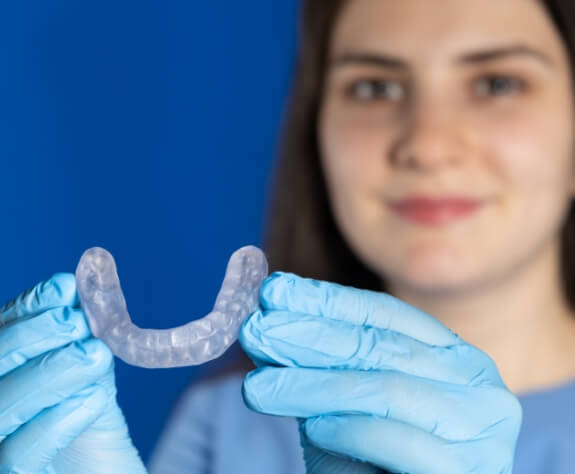
A popular solution for TMD discomfort is a custom occlusal guard, also known as an occlusal splint. These are orthopedic devices that you wear in your mouth as you sleep that gently reposition your jaw into its ideal place. This relieves tension in the muscles and joints as well as protects your teeth from grinding and clenching.
Equilibration/Occlusal Adjustment

If your jaw pain, headaches, and tenderness are the result of bite misalignment because your teeth aren’t coming together properly, you may benefit from occlusal adjustment. Our team can gently reshape your teeth and existing dental restorations so they can come together smoothly — sometimes this can mean removing a sliver of enamel or slightly building a tooth up.
TMJ Treatment FAQs
Does Occlusal Adjustment for TMJ Hurt?
At Lake Boone Dentistry Raleigh, we prioritize your comfort, no matter what treatment you receive. During occlusal adjustment, Dr. Ricke will use specialized instruments to gently “sand” your teeth in specific areas to relieve the pressure on your TMJ. Some spots may also need reshaping, so composite resin will be used to build up those areas. Some patients find they don’t need any anesthetic for this procedure while others request it. Whatever your preference, Dr. Ricke will accommodate you. Once your procedure is finished, you may also feel some slight discomfort around your reshaped teeth, but it should subside after a few days.
Can TMJ Be Cured Permanently?
On some occasions, the pain that develops due to stress on the temporomandibular joint (TMJ) can dissipate on its own. However, if the discomfort grows too intense, professional intervention is often the best way forward. While some treatments on offer at other dental offices are designed to relieve pain, Dr. Ricke believes in using proven methods that can give permanent results. Occlusal guards, adjustments, and equilibration treatments can adjust the way your teeth fit together and provide a more stable environment for your TMJ for long-lasting or even permanent relief.
How Long Does Occlusal Equilibration Take for TMJ?
Equilibration and adjustment treatments often vary in how quickly they can relieve your symptoms. Depending on the specific adjustments that have or need to be made. In general, once the procedure has been completed, most patients feel relief from their TMJ symptoms very quickly.
As for the treatments themselves, it takes a small number of appointments to realize the results fully. In most cases, you can expect two to three sessions for Dr. Ricke to complete the adjustments to your smile. This allows him to treat areas and see the results to make any necessary changes to your teeth or other restorations.
How Long Does It Take for a TMJ Splint to Work?
Occlusal guards are worn to bed every night and most patients will start to feel relief quickly, however, it’s encouraged to continue wearing your device. While the symptoms of your TMJ disorder may fade, the underlying cause may take longer to adjust. In most cases, six weeks is enough to see a marked improvement in jaw stress and oral function, but it generally takes three to six months for an occlusal guard to fully correct the causes of your discomfort.